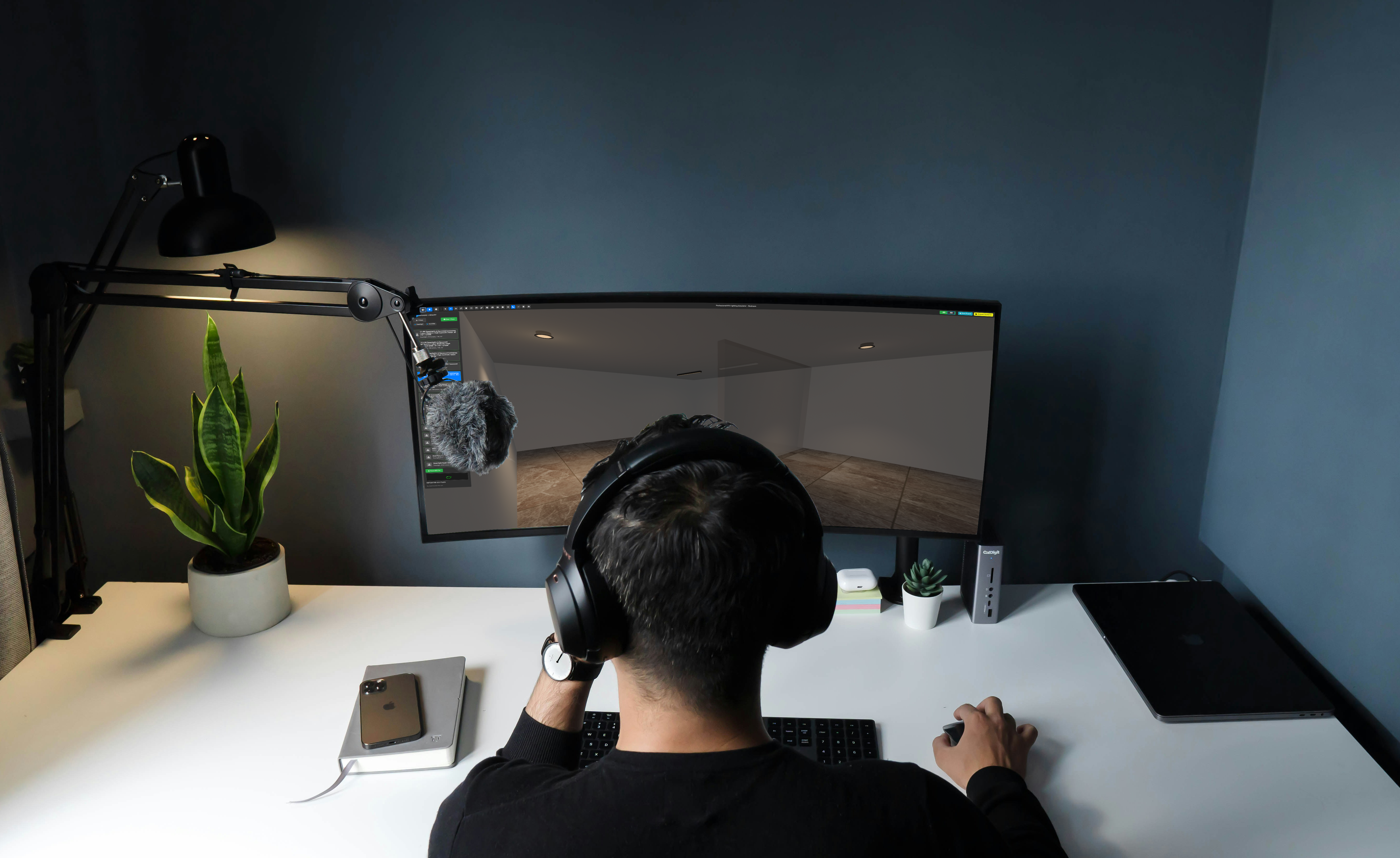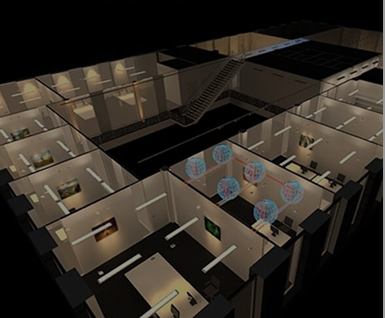
he era of complex, intimidating lighting simulation software is over. Today, achieving photorealistic lighting design for your projects is as simple as drag-and-drop, thanks to advanced web-based lighting 3D tools. These platforms—much like the functionality found in software such as Dialux or Relux, but often streamlined for greater ease of use—are democratizing the design process, allowing anyone to visualize and perfect their illumination schemes instantly, directly in their browser.
The core advantage of modern web-based 3D lighting platforms is their stunning simplicity and accessibility. You are no longer required to install heavy software or worry about system specifications. Instead, the process is streamlined to focus purely on the creative application of light. Users can start by defining their space and then simply choose from an array of pre-loaded lighting effects or fixture types available within the platform's library. Whether you need a soft ambient wash, focused task lighting, or dramatic accenting, you can apply these effects and watch the transformation of your virtual room immediately.
Perhaps the most powerful feature for professionals is the seamless integration of custom product data. If you already have a specific fixture in mind from a manufacturer, you can bypass the library and simply upload your own IES file. The platform instantly interprets this industry-standard file—which contains the exact light distribution information—and renders the precise effects the chosen fixture will have on your room, walls, and furniture. This capability ensures that the design you create within the software is the precise result you will achieve during physical installation, eliminating guesswork and dramatically increasing specification accuracy. These accessible web-based 3D tools empower you to start creating.
Stay tuned for more lighting topics!
Blox's Team, Light Less Ordinary.