treet lighting plays a crucial role in ensuring the safety and security of both pedestrians and drivers. But is there a single "best" street light solution? The answer, like most things in lighting design, is nuanced. While there isn't a one-size-fits-all solution, understanding how street lights work and the factors influencing effective lighting can help communities and lighting designers create safer, more efficient public spaces.
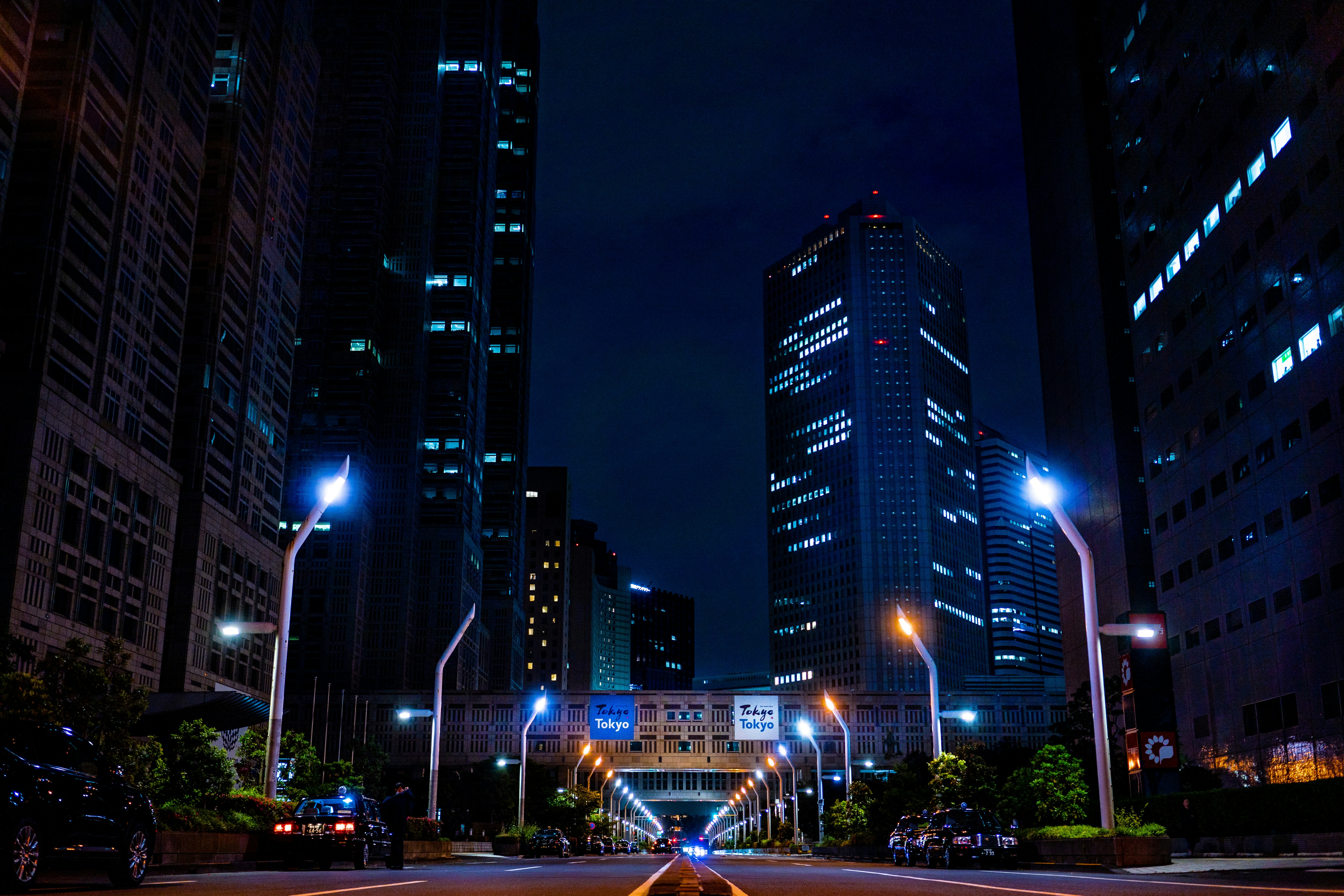
Modern street lights are more than just a bulb on a pole. They are sophisticated systems designed to provide optimal lighting effects for various conditions. Traditional high-intensity discharge (HID) lamps, like high-pressure sodium or metal halide, are being increasingly replaced by energy-efficient LEDs. LEDs offer several advantages, including longer lifespan, lower energy consumption, and the ability to control light output more precisely. This precision is key to effective lighting design. A well-designed street lighting system considers factors like light distribution, color temperature, and glare control. The goal is to illuminate roadways and walkways sufficiently for visibility without creating harsh shadows or blinding glare that can impair vision.
The mechanics of a street light system involve a complex interplay of electrical components, sensors, and often, smart technology. Photocells, for example, detect ambient light levels and automatically turn the lights on at dusk and off at dawn. Increasingly, municipalities are incorporating smart lighting controls, which allow for remote monitoring and adjustment of light levels. This not only saves energy but also enables real-time responses to changing conditions, such as traffic flow or pedestrian activity.
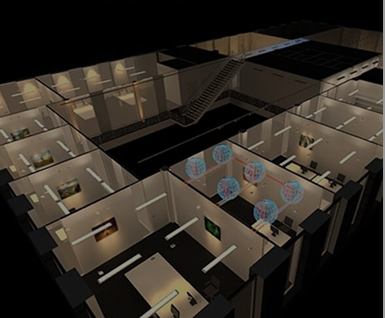
Creating an effective lighting plan requires careful consideration of these factors. Lighting design tools are essential for simulating and optimizing light distribution, ensuring uniformity, and minimizing light trespass. A comprehensive lighting plan will address everything from pole placement and spacing to the type of luminaire used and the desired light levels for different zones. Ultimately, a well-executed street lighting project, informed by sound design principles and utilizing appropriate technology, significantly improves pedestrian and driver safety by enhancing visibility, reducing accidents, and deterring crime. While the "best" street light might be a moving target as technology advances, the principles of good lighting design remain constant: providing the right amount of light, in the right place, at the right time.
Stay tuned for more lighting topics! Blox's Team, Light Less Ordinary.